
GoodBaby Thermometer User Manual: A Comprehensive Guide
This manual provides detailed instructions for the GoodBaby Infrared Thermometer, ensuring accurate and safe temperature readings for all ages,
offering forehead and ear measurement options, and facilitating effortless operation with its versatile features and user-friendly design.
Welcome to the world of convenient and reliable temperature monitoring with the GoodBaby Infrared Thermometer! This advanced device is meticulously engineered to provide swift, accurate, and non-invasive temperature measurements, catering to users of all ages – from delicate infants to adults. Designed for both forehead and ear measurements, it offers unparalleled versatility and comfort.
The GoodBaby thermometer prioritizes safety and ease of use. Before first use, carefully review this manual to fully understand its features and operation. Proper understanding ensures optimal performance and accurate readings. This thermometer is a valuable tool for proactive health management, allowing you to quickly identify potential fevers and monitor well-being. Keep this manual readily accessible for future reference and to maximize the benefits of your GoodBaby thermometer.
Understanding the Key Features
The GoodBaby Infrared Thermometer boasts a range of features designed for optimal usability and accuracy. Its dual-mode functionality allows for both forehead and ear temperature measurements, providing flexibility for different situations and user preferences. The rapid measurement speed delivers results in seconds, minimizing discomfort, especially for infants and young children.
Furthermore, the thermometer offers a convenient Celsius/Fahrenheit switching option, catering to diverse user needs. A clear, backlit LCD display ensures easy readability, even in low-light conditions. Memory recall functionality allows you to review past readings, aiding in tracking temperature trends. The device also incorporates intelligent fever indicators and alerts, providing immediate notification of elevated temperatures. Its ergonomic design ensures a comfortable and secure grip, making temperature taking a breeze.

Getting Started with Your Thermometer
Before first use, carefully unpack your GoodBaby Thermometer and verify all components are present; then, install batteries correctly to begin enjoying its benefits.
Unboxing and Component Check
Upon receiving your GoodBaby Thermometer, carefully open the packaging and ensure all listed components are included. You should find the thermometer unit itself, a user manual (this document!), and potentially batteries, depending on the model.
Inspect each item for any signs of damage during shipping. If any component appears damaged or is missing, immediately contact the retailer or GoodBaby customer support. Do not attempt to use a damaged thermometer.
Familiarize yourself with the thermometer’s parts: the measurement probe (for forehead or ear), the LCD display, the power button, and the unit selection button (Celsius/Fahrenheit). A quick visual check will help you understand the device before taking your first measurement.
Retain the original packaging for potential warranty claims or future storage.
Battery Installation and Replacement
The GoodBaby Thermometer typically requires AAA or AA batteries (refer to your specific model’s specifications). To install, locate the battery compartment, usually on the back or side of the unit. Gently slide off the battery cover.
Insert the batteries, ensuring correct polarity (+ and -) as indicated inside the compartment. Replace the battery cover securely. If the LCD display shows a low battery indicator, or the thermometer fails to power on, it’s time for a replacement.
Always use new batteries of the same type and avoid mixing old and new batteries. Dispose of used batteries responsibly, following local regulations. Incorrect battery installation can damage the thermometer and void the warranty;
For optimal performance, use high-quality alkaline batteries.
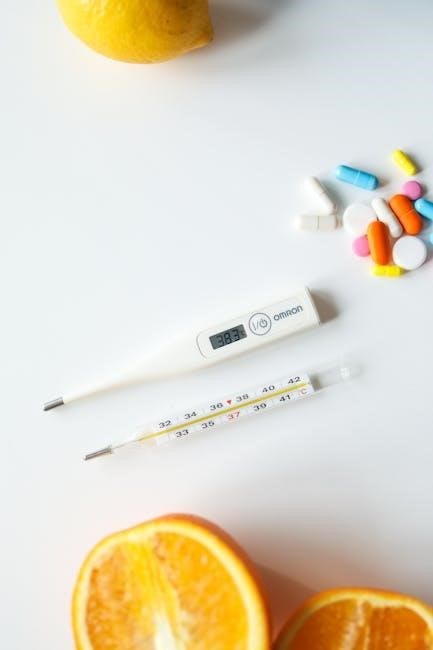
Taking Accurate Temperature Readings
Ensure proper technique for forehead or ear measurements, maintaining a stable position and appropriate distance, to obtain reliable and consistent temperature readings with your GoodBaby thermometer.
Forehead Temperature Measurement
To accurately measure forehead temperature, ensure the thermometer lens is clean and free of obstructions. Position the thermometer centrally on the forehead, approximately 1-3 centimeters (0.4-1.2 inches) away from the eyebrow line.
Avoid measuring temperature across the hairline, or areas covered by sweat, cosmetics, or lotions, as these can affect the reading. Press the scan button and hold until the thermometer beeps, indicating a completed measurement.
The reading will be displayed on the screen. For optimal accuracy, allow the thermometer to acclimatize to the room temperature for approximately 30 minutes before use, and ensure the patient has not recently engaged in activities that may affect their temperature, such as eating, drinking, or exercising.
Ear Temperature Measurement
For accurate ear temperature measurement, gently pull the ear upwards and backwards (for adults) or downwards and backwards (for children under three) to straighten the ear canal. Insert the thermometer probe gently into the ear canal, ensuring a secure but comfortable fit.
Avoid inserting the probe too deeply. Press the scan button and hold until the thermometer beeps, indicating a completed measurement. The reading will be displayed on the screen.
Ensure there is no earwax blockage or inflammation in the ear canal, as this can affect the accuracy of the reading. If using ear drops, wait at least 30 minutes before taking a measurement. Clean the probe after each use with a soft cloth and alcohol.
Understanding Measurement Modes (Body, Surface, Room)
The GoodBaby thermometer offers multiple measurement modes to cater to diverse needs. The ‘Body’ mode is specifically calibrated for human body temperature, utilizing forehead or ear measurements for accurate results. ‘Surface’ mode is designed to measure the temperature of objects, like baby bottles or bathwater, providing a quick assessment of external temperatures.
‘Room’ mode measures the ambient temperature of the surrounding environment, useful for monitoring a baby’s room comfort. Switching between modes is typically achieved via a dedicated button or a sequence of button presses, as detailed in the full user manual.
Selecting the correct mode is crucial for obtaining reliable readings; using the wrong mode will yield inaccurate temperature values.
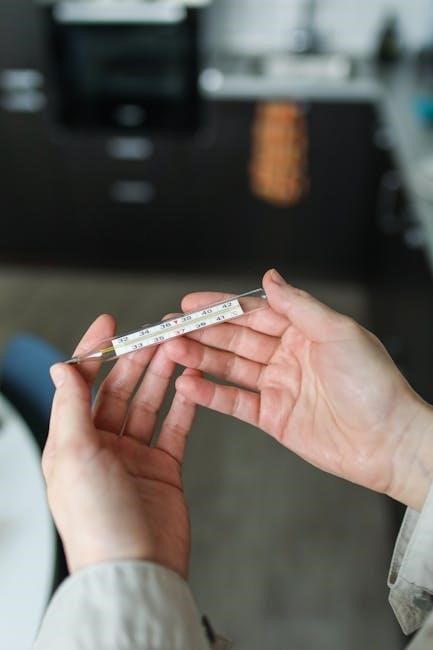
Interpreting the Results
Understanding the displayed temperature is vital; the GoodBaby thermometer features fever indicators and alerts, alongside Celsius/Fahrenheit switching,

Fever Indicators and Alerts
The GoodBaby thermometer is equipped with visual and auditory alerts to quickly identify potential fevers. Typically, a series of beeps or a specific color-coded backlight (often green, yellow, and red) indicates the temperature range. A green light usually signifies a normal temperature, yellow suggests a slight fever, and red indicates a high fever requiring medical attention.
The device may also display a fever symbol on the screen alongside the temperature reading. It’s crucial to understand the specific fever thresholds defined by your healthcare provider, as these can vary based on age and individual health conditions. Always consult a doctor for diagnosis and treatment, and do not rely solely on the thermometer’s alerts. Remember to consider other symptoms alongside the temperature reading for a comprehensive assessment.
Celsius vs. Fahrenheit – Switching Units
The GoodBaby thermometer offers the convenience of displaying temperatures in either Celsius (°C) or Fahrenheit (°F). Switching between these units is usually a straightforward process, often involving a dedicated button or a combination of button presses. Typically, a long press of the ‘Mode’ or ‘Set’ button will initiate the unit change.
The display will briefly show the changing unit during the process. Refer to the full user manual for the precise method specific to your GoodBaby thermometer model. Ensure the correct unit is selected before taking a measurement for accurate interpretation. Consistent use of one unit is recommended to avoid confusion. Remember to note the selected unit when recording temperature readings for future reference and medical consultations.
Memory Recall – Reviewing Past Readings
The GoodBaby thermometer conveniently stores previous temperature readings, allowing you to track temperature changes over time. Accessing these stored readings is typically done by pressing the ‘Memory’ or ‘Recall’ button. The device will then cycle through the previously recorded measurements, displaying each one on the screen.
The number of stored readings varies depending on the model, but generally, it can store up to 30-60 readings. The manual details the specific steps for navigating through the memory and clearing the stored data if needed. Regularly reviewing past readings can be helpful in identifying trends and providing valuable information to healthcare professionals. Ensure you understand how to access and interpret the memory function for optimal use.
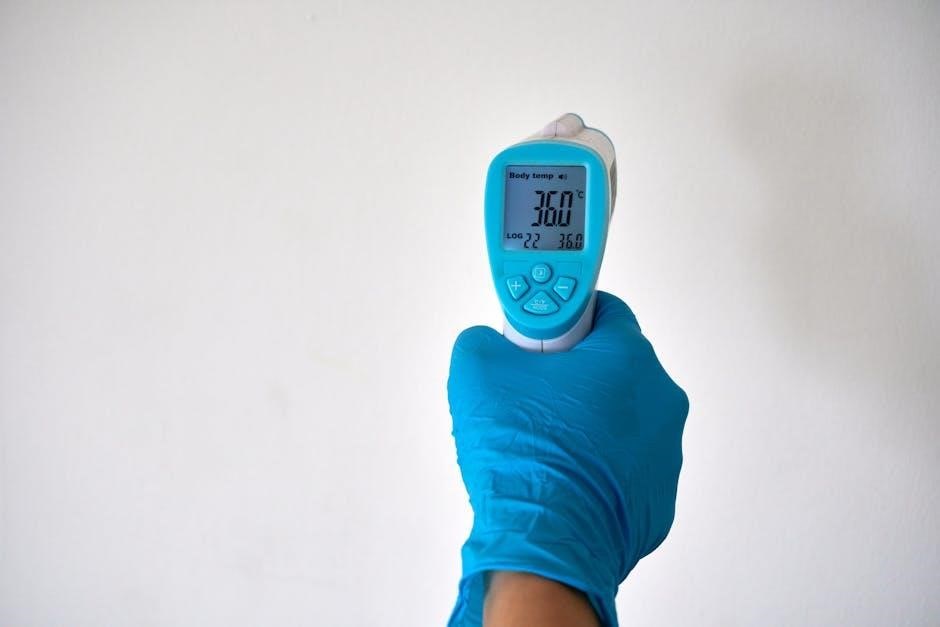
Advanced Features and Settings
Explore customizable options like backlight adjustment, automatic shut-off, and error message troubleshooting for a personalized and efficient temperature-taking experience.
Backlight Functionality and Adjustment
The GoodBaby thermometer incorporates a convenient backlight feature designed to enhance visibility in low-light conditions, ensuring accurate readings can be obtained easily, even during nighttime checks. This is particularly useful when measuring a sleeping child’s temperature, minimizing disturbance. The backlight automatically activates upon use, but some models allow for manual adjustment of brightness or even complete disabling.
To adjust the backlight (if your model supports it), refer to the full user manual for specific button combinations or menu navigation. Typically, this involves pressing and holding a dedicated button or accessing the settings menu via the device’s controls. Experiment with different brightness levels to find what works best for your environment and personal preference. A dimmer setting can conserve battery life, while a brighter setting provides optimal clarity.
Automatic Shut-Off Feature
The GoodBaby thermometer is equipped with an automatic shut-off function, a power-saving feature designed to conserve battery life when the device is not in use. After a period of inactivity – typically around 30 to 60 seconds – the thermometer will automatically power down. This prevents unnecessary battery drain and extends the overall lifespan of the batteries.
This feature operates seamlessly in the background; no manual intervention is required. However, it’s important to be aware of this function to avoid thinking the device has malfunctioned if it appears to turn off unexpectedly. If you wish to take another reading immediately after a shut-off, simply press the power button to reactivate the thermometer. Refer to your specific model’s manual for the exact shut-off timer duration.
Error Messages and Troubleshooting
The GoodBaby thermometer may display error messages indicating potential issues with measurement or device functionality. Common errors include “Err” or “Lo,” often signaling a low battery or an inability to detect a temperature due to improper technique or extreme environmental conditions. If an error occurs, first ensure the batteries are fresh and correctly installed.
For inaccurate readings, verify proper measurement technique – ensuring correct distance and stable positioning. Clean the lens regularly. If problems persist, consult the full user manual for a comprehensive troubleshooting guide. Online resources and FAQs may also offer solutions. If the device continues to malfunction, contact GoodBaby customer support for assistance; do not attempt self-repair.

Maintenance and Care
Regular cleaning with a soft, dry cloth is essential; avoid harsh chemicals or immersion in liquids to maintain accuracy and prolong the thermometer’s lifespan.
Cleaning and Disinfection Procedures
To ensure accurate readings and maintain hygiene, regular cleaning and disinfection of your GoodBaby thermometer are crucial. Before cleaning, always ensure the thermometer is switched off. Gently wipe the probe lens and the exterior surfaces with a soft cloth lightly dampened with 70% isopropyl alcohol.
Avoid using abrasive cleaners, solvents, or immersing the thermometer in water, as this can damage the sensitive components. After disinfection, allow the thermometer to air dry completely before use. For stubborn residue, slightly dampen the cloth with distilled water before applying the alcohol.
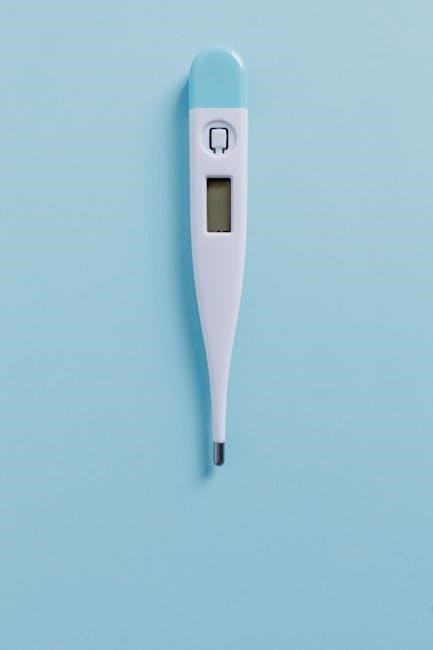
It is recommended to clean the thermometer after each use, especially when used on multiple individuals. Proper cleaning not only prevents cross-contamination but also ensures the longevity and reliable performance of your device.
Storage Guidelines
Proper storage is essential to maintain the accuracy and lifespan of your GoodBaby thermometer. When not in use, store the thermometer in a cool, dry place, away from direct sunlight, extreme temperatures, and humidity. Avoid storing the device in bathrooms or near sources of water.
Always replace the protective cap on the probe lens to prevent dust and damage. It’s best to keep the thermometer in its original packaging or a dedicated storage case to shield it from physical impacts.
Remove the batteries if the thermometer will not be used for an extended period to prevent potential leakage and corrosion. Do not store the thermometer with other electronic devices that may cause interference. Following these guidelines will ensure your GoodBaby thermometer remains in optimal condition for years to come.
Calibration Information (if applicable)
The GoodBaby thermometer is factory calibrated for optimal accuracy. However, like all medical devices, periodic calibration may be necessary to ensure continued reliable performance. Typically, consumer-grade infrared thermometers do not offer user-adjustable calibration options.
If you suspect the thermometer is providing inaccurate readings, first ensure proper usage according to the manual’s instructions. If concerns persist, contact GoodBaby customer support for assistance.
Professional calibration services are generally not available or recommended for this type of device. Frequent or significant deviations in readings may indicate the need for a replacement unit. Do not attempt to disassemble or modify the thermometer, as this will void any warranty and potentially compromise its accuracy and safety.
Safety Precautions and Warnings
Always keep the thermometer out of reach of children under twelve years old, avoid potential interference, and dispose of batteries responsibly for safe operation.
Age Restrictions and Supervision
The GoodBaby thermometer is designed for use on individuals of all ages, from newborns to adults. However, due to the small parts potentially present and the need for accurate positioning during measurement, adult supervision is crucial when used on infants and young children.
Never allow a child to take their own temperature or to play with the device. The thermometer is not a toy. Ensure the child remains still during the measurement process to obtain a reliable reading.
Always verify the temperature reading with another method if you have concerns, especially with infants. If you are unsure about the proper technique or interpretation of results, consult with a healthcare professional.
Keep the thermometer and its accessories stored safely away from children when not in use to prevent accidental ingestion or misuse.
Potential Interference and Accuracy Limitations
While the GoodBaby thermometer is designed for accuracy, several factors can potentially interfere with readings. External conditions like extreme temperatures, direct sunlight exposure, or strong electromagnetic fields may affect results.
Ensure the forehead or ear canal is free from sweat, cosmetics, or obstructions before taking a measurement. Recent physical activity, eating, or drinking may also temporarily influence readings.
The thermometer measures surface temperature, and variations in individual physiology can lead to slight differences compared to core body temperature.
Always interpret readings in conjunction with other symptoms and consider consulting a healthcare professional for a definitive diagnosis.
Regular calibration (if applicable, see Maintenance section) can help maintain optimal accuracy.
Proper Disposal of Batteries
The GoodBaby thermometer operates on batteries, and their proper disposal is crucial for environmental protection and safety. Do not dispose of batteries with general household waste.
Batteries contain potentially harmful chemicals that can contaminate soil and water sources. Instead, utilize designated battery recycling programs available in your community.
Many retailers that sell batteries also offer recycling services. Check with your local waste management authority for specific collection points and guidelines.
Remove batteries from the thermometer before long-term storage or disposal of the device itself.
Always handle batteries with care and avoid short-circuiting or damaging them, as this can cause leakage or overheating.
Leave a Reply