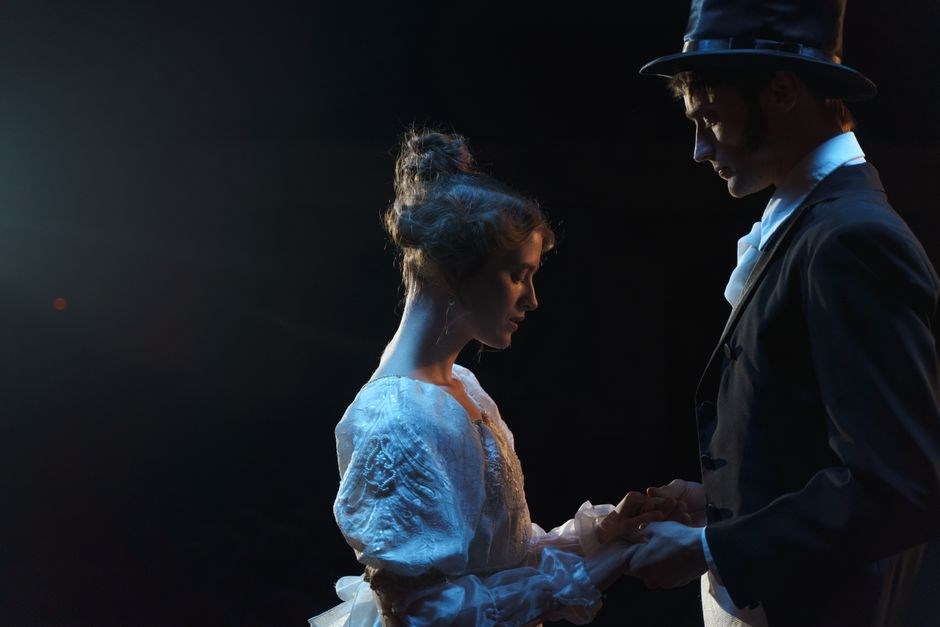
Overview of Oscar Wilde’s “The Importance of Being Earnest”
Wilde’s 1895 comedy‚ now the Irish SQA Higher Drama set text‚ offers a witty critique of Victorian society. The PDF guides teachers and students through context‚ directorial choices‚ dramatic commentary and acting pieces‚ making the play accessible for study and performancePDF ready.
Historical and Cultural Context of the Play
After its debut‚ the play influenced movement‚ inspiring playwrights such as George Bernard Shaw absurdist theatre of Samuel Beckett. Wilde’s sharp critique of social pretence resonated with audiences confronting the rigid class system‚ and his use of paradox and double‑talk prefigured later comedic styles. Today‚ the PDF version of the text is widely used in classrooms‚ enabling students to engage with original script while exploring themes of identity gender performative nature of society.
The play premiered on 24 February 1895 at the Savoy Theatre‚ a venue known for its productions. Wilde’s witty dialogue quickly captured the public’s imagination‚ but the play faced scrutiny from moralists who felt its satire undermined Victorian propriety. Over the next decade‚ the work was staged across Europe and America‚ cementing Wilde’s reputation as a master of farce and social critique.
- Victorian era: strict social hierarchies and emphasis on marriage.
- Rise of the Aesthetic movement: “art for art’s sake” philosophy.
- Wilde’s own experiences with legal persecution for homosexuality.
In contemporary times‚ the play’s themes resonate with modern audiences‚ especially in discussions about identity politics and the performative aspects of gender. Its enduring popularity ensures that it remains a staple in drama curricula worldwide‚ offering rich material for analysis of character‚ language‚ and societal critique.
Legacy! lives!
Plot Summary and Key Plot Points
Jack Worthing‚ a respectable Londoner‚ lives a double life as “Ernest” in the countryside‚ where he enjoys freedom and romance. He falls for Gwendolen Fairfax‚ who loves the name Ernest‚ and proposes‚ but Lady Bracknell discovers he is an orphan‚ threatening the match. Jack’s friend Algernon Moncrieff‚ who also adopts a false identity‚ visits Jack’s country house and falls for Cecily Cardew‚ Jack’s ward. Cecily‚ believing Jack is Ernest‚ also plans to marry him. When the truth about Jack’s parentage and Algernon’s false name “Ernest” is revealed‚ the characters scramble to resolve the identity confusion. The play culminates in a series of comedic misunderstandings‚ culminating in a final revelation that Jack’s father is a respectable man‚ allowing the marriages to proceed. The script’s witty dialogue and satirical commentary on Victorian social conventions provide a rich source for study.
The PDF edition preserves Wilde’s original stage directions and witty asides‚ allowing students to analyze the interplay between text and performance. It includes marginal notes on character motivations‚ historical references‚ and suggested staging choices‚ making it a valuable resource for both teachers and actors. The play’s enduring relevance is highlighted by contemporary adaptations that explore themes of identity‚ gender‚ and social satire‚ demonstrating its lasting impact on modern theatre for all ages.
Students annotate PDF arcs daily!

Primary Themes and Social Commentary
The PDF’s annotations also point out the play’s use of paradox‚ such as the insistence on earnestness while characters lie‚ and the comedic timing that relies on rapid dialogue exchanges. Students can explore how Wilde’s critique of the rigid social hierarchy is mirrored in the absurdity of the characters’ social rituals‚ and how the play’s resolution suggests that truth can emerge from deception when confronted with societal expectations. This analysis encourages thinking the identity in contexts. today.?? now
Character Profiles and Relationships
In the PDF‚ Jack Worthing (Ernest) is a dual‑identity gentleman who balances London propriety with country freedom‚ while Algernon Moncrieff‚ his friend‚ is a witty bachelor who uses “Bunbury” as a comedic escape. Gwendolen Fairfax‚ Algernon’s cousin‚ is obsessed with the name Ernest and seeks Jack’s hand‚ only to be thwarted by Lady Bracknell’s class‑based objections. Cecily Cardew‚ Jack’s ward‚ falls for the “Ernest” persona‚ illustrating the play’s satire on youthful romanticism. Lady Bracknell‚ the formidable matriarch‚ embodies Victorian social hierarchies‚ rejecting marriages that threaten status. Mr. Bounderby acts as a comic foil while the policeman enforces the law. The clerk‚ Mr. R. P.‚ offers a mundane counterpoint to the flamboyant schemes. These secondary figures help illuminate the main themes by juxtaposing everyday bureaucracy against theatrical deception. The PDF also includes a relationship diagram that visually maps these connections‚ aiding students in tracing how each character’s motives intertwine with the others’ desires‚ thereby deepening the exploration of Wilde’s critique of Victorian mores. Through the PDF’s annotated character list‚ learners can examine how the interplay between earnestness and pretense drives the narrative‚ revealing the underlying social commentary on identity‚ marriage‚ and class. Students analyze Wilde’s ironic dialogue‚ revealing how language exposes hypocrisy in each character and absurd social norms!!.
Accessing the Play in PDF Format
Students find the PDF via university libraries‚ public domain sites‚ or e‑book platforms. The document offers searchable text‚ annotations‚ and accessibility tools‚ enabling smooth study and performance preparation for the SQA Higher Drama syllabus.
Official PDF Resources from Educational Institutions
Universities and colleges across the UK provide the full text of Wilde’s play in PDF format‚ ensuring students and teachers have a reliable‚ copyright‑compliant source. The University of Edinburgh’s digital repository‚ for instance‚ offers a searchable PDF that includes the original stage directions and Wilde’s handwritten notes‚ which are invaluable for a nuanced study of the play’s dramatic structure. The Open University’s e‑learning portal also supplies a downloadable PDF annotated with critical commentary‚ making it easier for educators to integrate the material into lesson plans and for students to prepare for examinations. Public libraries such as the National Library of Scotland provide free access to the PDF through their online catalogues‚ often with options for screen‑reader compatibility and adjustable font sizes for accessibility. Many school districts partner with the British Library’s Digital Collections to offer high‑resolution PDFs that include historical context and production notes. These official resources are typically available in both standard and high‑contrast versions‚ allowing educators to tailor the material to diverse learning needs. Because the play is in the public domain‚ institutions can legally distribute the PDF without licensing fees‚ encouraging widespread use in classroom settings and drama clubs. By relying on these vetted sources‚ teachers can be confident that the text they provide is accurate‚ complete‚ and free from the errors that sometimes appear in unofficial downloads. The availability of these PDFs supports the SQA Higher Drama curriculum‚ where the play is a core text for Unit 2 (Study of a Text in its Theatrical Context). Students can download the PDF‚ annotate it digitally‚ and use it as a reference for guided study questions‚ performance analysis‚ and creative projects. In short‚ official institutional PDFs offer a trustworthy‚ accessible‚ and pedagogically rich resource that aligns perfectly with the objectives of drama education at the secondary level.
Public Domain and Copyright Status
Oscar Wilde’s “The Importance of Being Earnest” was first published in 1895 placing it well outside the 70 year post postmortem copyright window that applies in the UK and most Commonwealth jurisdictions Consequently the original text is now in the public domain allowing free distribution printing and digital dissemination without licensing fees This status has led to a growth of available PDFs on university repositories national libraries and open access platforms However modern adaptations such as new translations annotated editions or dramatized scripts that incorporate material may still be protected When using a PDF that contains editorial commentary footnotes or modernized language it is essential to verify that the added content is also in the public domain status or that the distributor holds the appropriate rights Teachers and students should therefore prefer PDFs sourced from reputable educational institutions or national digital libraries that explicitly state the public domain status of the core text For productions the public domain nature of the original script means that directors can perform the play without paying royalties though any creative elements may require separate permissions In short the original play’s public domain status facilitates academic use while remains necessary for derivative works that introduce copyrighted material Students can annotate the PDF discuss character motivations and explore Wilde’s satirical techniques enabling a deeper appreciation of Victorian social norms and the enduring relevance of comedic irony for today today today today today
Popular Online PDF Download Platforms
Students and teachers often turn to free‚ reputable sites for the full text of Wilde’s classic. The most frequently cited sources include Project Gutenberg‚ which hosts the public‑domain script in multiple formats; the Internet Archive‚ offering scanned copies from university libraries; and Google Books‚ where the original edition is available for preview and download. Many drama departments also provide PDFs through their own digital repositories‚ such as the National Library of Scotland’s e‑books portal. For those seeking annotated versions‚ sites like the Open Library or the Internet Shakespeare Library offer editions with scholarly notes‚ though these may be subject to the original copyright terms. When downloading from third‑party sites‚ it is important to verify that the PDF is a legitimate public‑domain copy and not a derivative that incorporates copyrighted material. Reliable platforms typically list the publication year and the copyright status in the file description‚ helping users confirm that the core text is free to use for educational purposes. By using these trusted resources‚ educators can ensure that their students have access to accurate‚ high‑quality PDFs for study‚ performance preparation‚ and research. Students can also download the PDF through the British Library’s digital collections‚ which provide scans of the original 1895 edition‚ enabling close reading of Wilde’s punctuation and stage directions for very analysis.
Digital Accessibility Features (e.g.‚ Text‑to‑Speech)
Wilde’s play is now available in PDF form on many sites‚ and many of these PDFs are built with accessibility in mind. The most common features that help students with visual or reading difficulties include: a fully tagged PDF that allows screen readers to navigate by chapter‚ character name‚ and stage direction; embedded metadata that describes the play’s structure; and a “Read‑Aloud” button that triggers built‑in browser text‑to‑speech engines. Some publishers also provide a separate‚ plain‑text version that can be opened in any text editor‚ making it easier to copy and paste into speech‑synthesis software. For those who prefer audio‚ the British Library’s digital collection offers a narrated version of the script‚ which is downloadable as an MP3 file. Additionally‚ many e‑book platforms allow users to adjust font size‚ contrast‚ and background colour to reduce eye strain. When using a screen reader‚ the PDF should support the “Tagging” standard‚ so that the reader can skip over decorative images and focus on the dialogue. Teachers can also use the PDF’s “Bookmarks” feature to create a quick‑access menu for each act‚ helping students jump directly to key scenes. Finally‚ some sites provide a “Closed‑Caption” overlay that can be toggled on the PDF viewer‚ which is especially useful for students who are deaf or hard of hearing. By combining these features‚ educators can ensure that the text is accessible to all learners‚ regardless of their preferred mode of consumption. Students can read the PDF with adjustable font sizes bold
Using the Play PDF for Drama Education
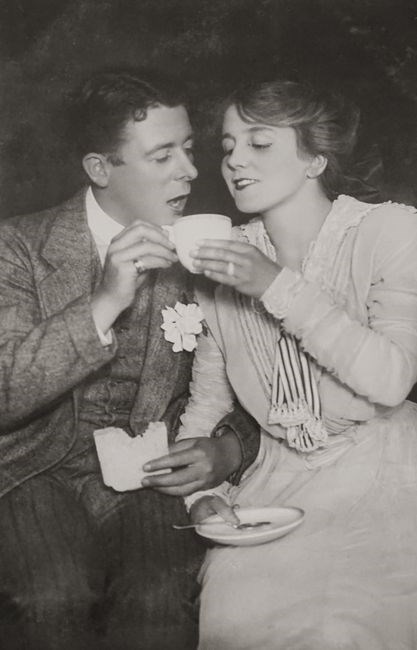
Students can annotate the PDF‚ highlight witty exchanges‚ and use embedded stage directions to plan blocking. Teachers assign character monologues‚ sight‑reading drills‚ and integrate PDF into digital lesson plans for interactive learning .
Integration into SQA Higher Drama Curriculum
The PDF version of Wilde’s classic serves as a central resource for the SQA Higher Drama curriculum‚ aligning with Unit 2’s focus on textual analysis within its theatrical context. By providing a script‚ the PDF allows students to trace character arcs‚ identify dramatic irony‚ and examine the play’s satirical commentary on Victorian mores. Teachers can embed the PDF into lesson plans‚ using its footnotes to reference critical essays and background‚ thereby enriching discussions on genre conventions and authorial intent‚ society. The document’s clear stage directions support practical exercises: students rehearse blocking‚ explore timing‚ and experiment with voice modulation‚ all while referencing the exact text. Assessment rubrics can incorporate PDF-based tasks‚ such as annotation accuracy‚ interpretation of subtext‚ and the ability to justify directorial choices using script evidence. The digital format also facilitates peer review‚ enabling learners to comment on each other’s performance notes within the PDF‚ fostering collaborative critique. Overall‚ the play’s PDF becomes an interactive‚ multimodal tool that bridges literary study and performance practice‚ meeting the curriculum’s requirement for evidence-based analysis and creative application. Students are encouraged to annotate marginalia‚ noting how Wilde’s use of paradox and irony underscores the absurdity of social rituals. By cross‑referencing the PDF with scholarly commentary‚ learners develop critical literacy skills that translate into nuanced stage interpretations and informed directorial decisions. This integrated approach fosters holistic understanding dramaturgy! It also supports collaborative learning and analysis. and depth.
Guided Study Questions and Discussion Prompts
Use the PDF to explore Wilde’s wit and social critique. 1. How does the dual identity of Jack/Ernest reveal Victorian anxieties about authenticity? 2. In what ways does Lady Bracknell’s dialogue expose class prejudice? 3. Compare the comedic timing in Act 1 with that in Act 3—what changes in pacing and audience expectation? 4. How does the play’s structure support the theme of “earnestness” as both a virtue and a façade? 5. Discuss the role of the “identity card” scene in the context of modern identity politics. 6. How can a director use the stage directions in the PDF to heighten the absurdity of the plot? 7. What is the significance of the final resolution—does it reinforce or subvert the play’s satirical tone? 8. Examine the impact of the “no children” rule on the plot’s moral commentary. Use these prompts to guide group debates‚ written reflections‚ and performance analysis‚ ensuring each student cites specific lines from the PDF to support their interpretations. This analysis encourages critical thinking about the relevance of satire in modern society today!! Students may also create a digital storyboard or a stage design plan‚ using the PDF as a reference‚ to demonstrate how textual elements translate into visual storytelling. Moreover‚ assign a reflective essay where students analyze how Wilde’s comedic devices serve as social critique‚ citing specific lines and contextual references!
Acting and Directing Exercises Based on the PDF Text
Identity Switch Scene: Actors rehearse the moment Jack reveals his “Ernest” to Gwendolen. Focus on vocal contrast and timing to highlight absurdity. Directors cue a shift in lighting to emphasize psychological split.
Lady Bracknell’s Rejection: Stage the “no children” objection with exaggerated gestures. Students project authority while keeping comedic rhythm; Use PDF stage directions to experiment with blocking that creates visual hierarchy of power.
Miss Prism’s Confession: Pair actors to deliver the confession in a whispered conspiratorial tone. Directors vary the set’s acoustic texture to explore sound design’s influence on audience secrecy.
Algernon’s “Bunbury” Monologue: Actors perform the monologue in two registers: a formal Victorian style and a relaxed modern cadence. Compare audience reaction to each register‚ noting PDF punctuation guides emotional pacing.
Final Resolution Montage: Create a montage of key lines from the PDF‚ intercut with rapid costume changes. Students choreograph a sequence that visually represents the play’s thematic resolution‚ using PDF stage notes for cue timing.!
Group Improvisation: Using PDF dialogue‚ students improvise a scene where each character adopts a new “earnest” identity and the audience’s reaction is revealed through witty dialogue.!
Assessment and Performance Evaluation Criteria
Students are evaluated on a rubric that aligns with the SQA Higher Drama syllabus‚ focusing on the PDF’s textual fidelity‚ character interpretation‚ and directorial vision. Criterion A assesses textual accuracy: fidelity to Wilde’s language‚ correct use of stage directions‚ and appropriate pacing of comedic beats. Criterion B evaluates performance: vocal clarity‚ physicality‚ and the ability to convey dual identities (e.g.‚ Jack/Ernest‚ Algernon/Bunbury). Criterion C examines directorial choices: use of space‚ lighting‚ and sound to reinforce thematic irony‚ as guided by the PDF’s stage notes. Criterion D considers collaborative teamwork: seamless blocking‚ cue timing‚ and ensemble cohesion. Criterion E rewards creativity: innovative staging‚ modern reinterpretations‚ and audience engagement strategies. Assessment is documented through a reflective portfolio‚ a recorded performance‚ and a peer‑review session‚ ensuring a holistic appraisal of both individual and group contributions.
Formative assessment occurs during rehearsals‚ with teachers providing feedback on script adherence‚ timing‚ and character nuance. Summative assessment is based on the final staged production‚ judged by an external panel trained in the SQA criteria. Self‑assessment prompts students to critique their own performance against the rubric‚ fostering metacognitive growth. Peer assessment involves structured observation sheets‚ encouraging constructive dialogue about interpretation and technical execution. All assessment records are compiled into a digital portfolio‚ accessible via the PDF platform‚ ensuring transparency and alignment with national standards.
The rubric’s weighting ensures that textual fidelity accounts for 30 %‚ performance for 25 %‚ direction for 20 %‚ collaboration for 15 %‚ and creativity for 10 %.
Leave a Reply